

From Evidence to Action: WHO-UNICEF Implementation Guidance on Child Wasting
This joint implementation guidance helps governments and health workers update national protocols on Child Wasting, covering infants and children aged 6–59 months in all settings.
About
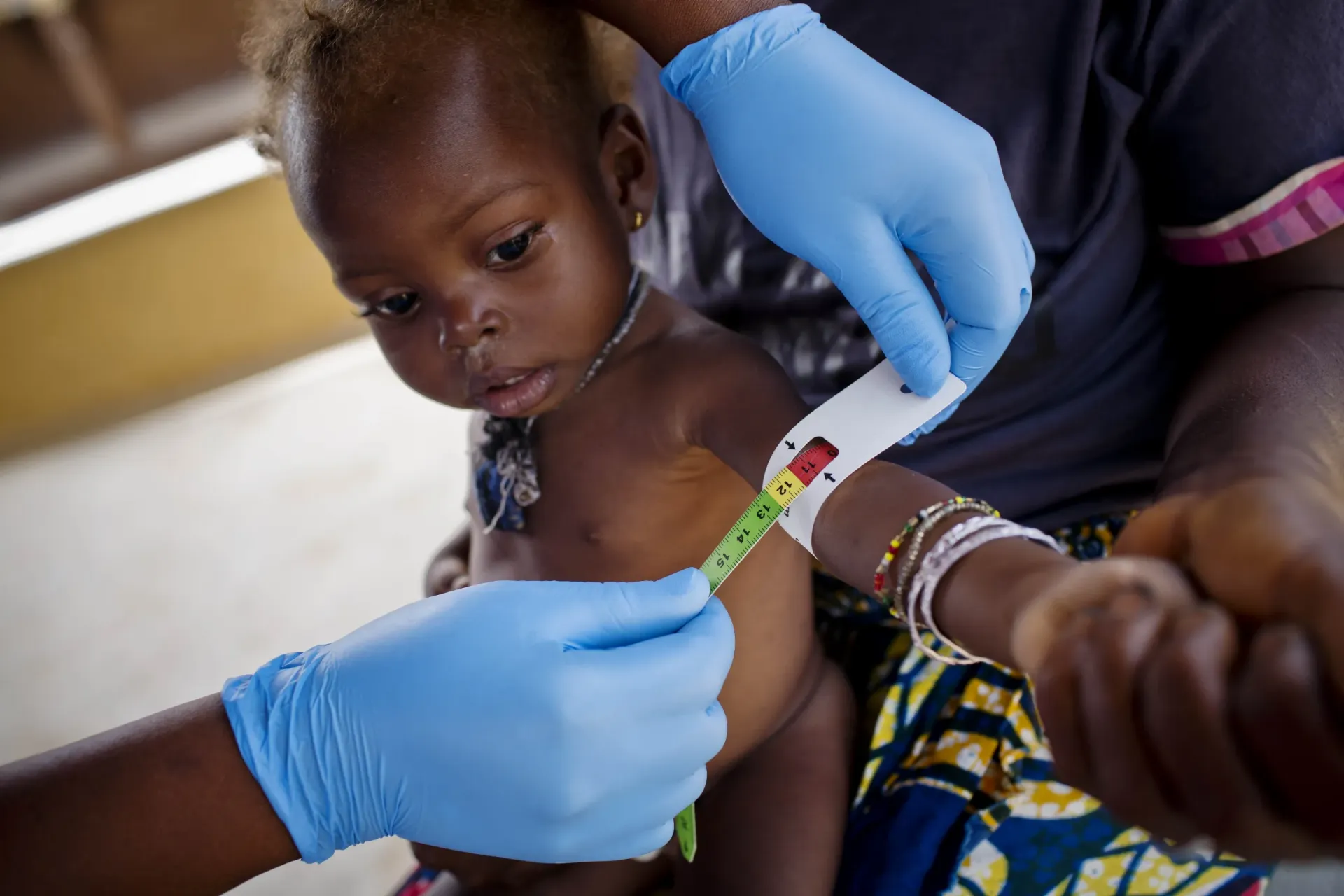
WHO and UNICEF have published new implementation guidance on the management of wasting and nutritional oedema (acute malnutrition) in infants and children aged under 5 years in inpatient and outpatient settings. This resource helps governments and implementing organizations translate the 2023 WHO guideline into updated national protocols on Child Wasting, a critical step towards achieving the Global Action Plan (GAP) on Child Wasting goal of reducing wasting prevalence to less than 3% by 2030.
The guidance supports policy-makers, programme managers, and health workers in delivering integrated nutritional, medical, and psychosocial care for infants and children with acute malnutrition. It covers identification and referral pathways at community and health facility levels, clinical assessment, inpatient and outpatient management of severe acute malnutrition (SAM) and moderate acute malnutrition (MAM) for children aged 6–59 months, and psychosocial stimulation during care. Practical annexes — including checklists, dosing protocols, and reference tables — support day-to-day implementation across both humanitarian and development settings.
Based on the 2023 WHO Guideline on Child Wasting, this guidance also includes a section on infants less than 6 months of age at risk of poor growth and development.
As countries work to strengthen national systems for the prevention and treatment of Child Wasting, this guidance provides the operational foundation for updated national protocols, staff training, and quality service delivery. Download the implementation guidance to access clinical protocols, referral pathway diagrams, and supporting annexes.


