

Methods to Estimate Caseloads of Children with Moderate Wasting using Individual Risk Factors: A Learning Note
New Guidance Helps Identify At-Risk Children with Moderate Wasting
About
Globally, more than 31 million children are affected by moderate wasting at any given time, representing an incredibly vulnerable population who are up to three times more likely to die than well-nourished children. Following the 2023 WHO Guideline on Prevention and Management of Wasting - which for the first time includes guidance on supplementing children with moderate wasting - accurate targeting of those at highest risk has become essential for effective programming.
UNICEF and WFP have released a comprehensive learning note that provides practical methodology for estimating caseloads of children with moderate wasting who face individual higher-risk factors. The document offers step-by-step guidance for calculating targeted caseloads and demonstrates how different prioritization criteria can significantly impact programming decisions and resource allocation.
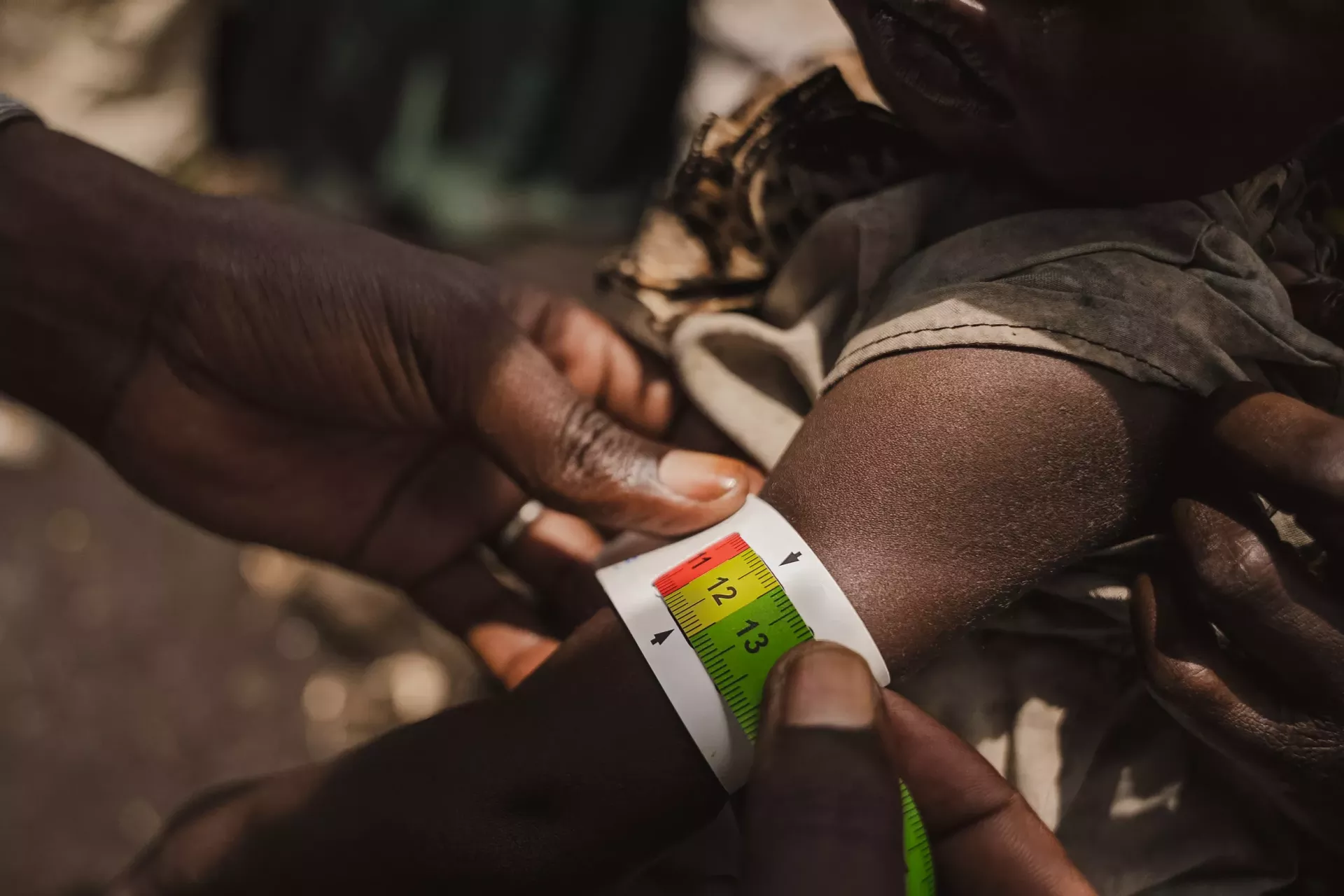
The learning note analyzes data from five countries - Ethiopia, Haiti, Kenya, Madagascar, and South Sudan - revealing significant variations in how moderate wasting presents across different contexts. Key findings show that age under 24 months consistently identifies the largest proportion of higher-risk children (35-57% across countries), while MUAC measurements of 115-119mm often serve as the most restrictive criterion. Importantly, the analysis demonstrates that caseload estimates can vary by up to 30 percentage points depending on which individual risk factors are applied, underscoring the critical need for context-specific approaches rather than one-size-fits-all solutions.
The document addresses practical implementation challenges by providing detailed guidance on data requirements, quality assessments, and analytical steps. It emphasizes that while the methodology provides valuable quantitative insights, final programming decisions must incorporate expert consultation, contextual analysis of humanitarian risks, operational constraints, funding availability, and supply chain considerations. This comprehensive approach ensures that children with moderate wasting receive appropriate interventions - whether specialized nutritious foods or enhanced dietary counseling - based on their individual risk profiles and local contexts.


